traces
EN
FrançaisEnglishSvenskaУкраїнськаEspañol
Patrick Chartol×leif.e.boman×Bohdana FrolyakMatter · Light · Memory

TRACES

A touch. A trace remains.
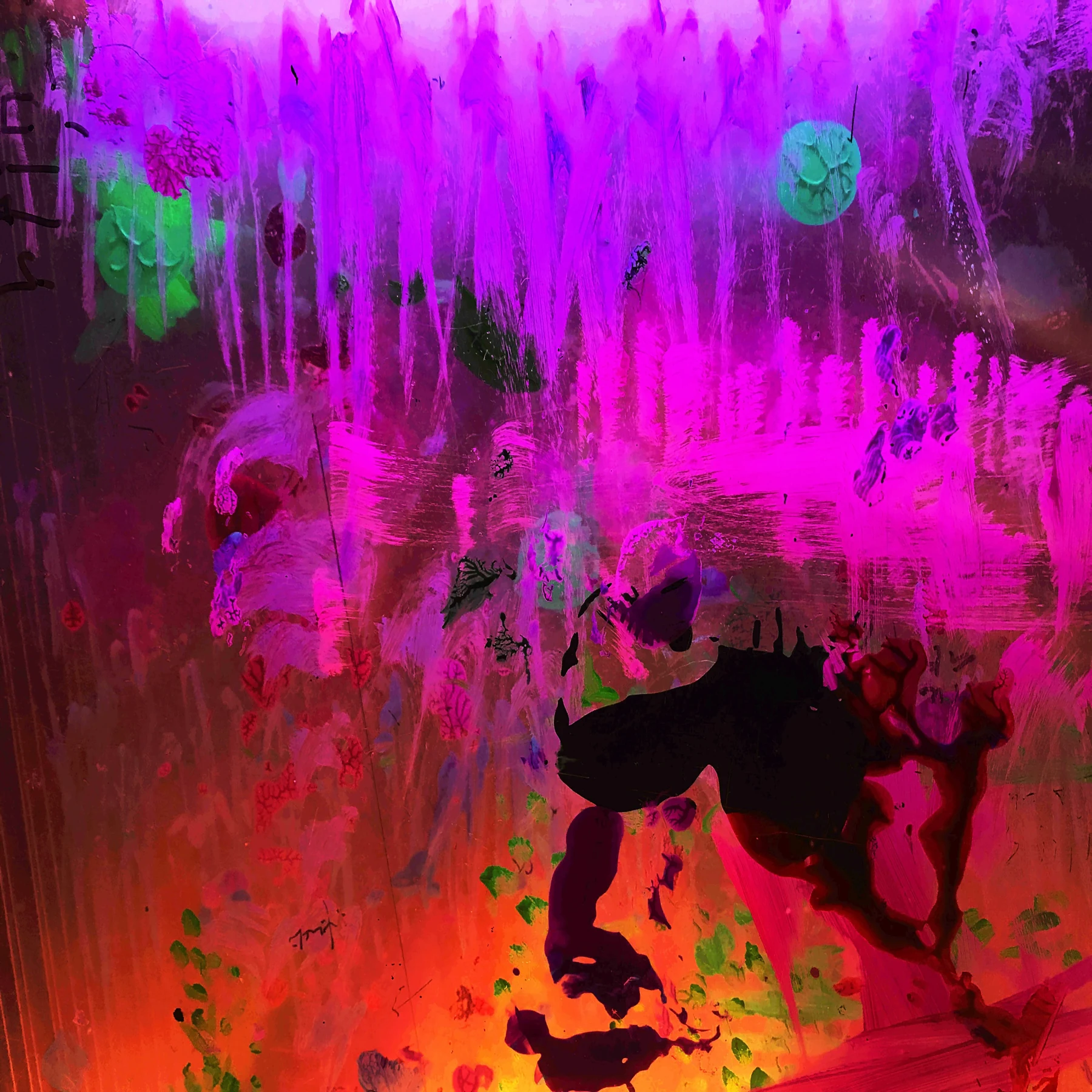
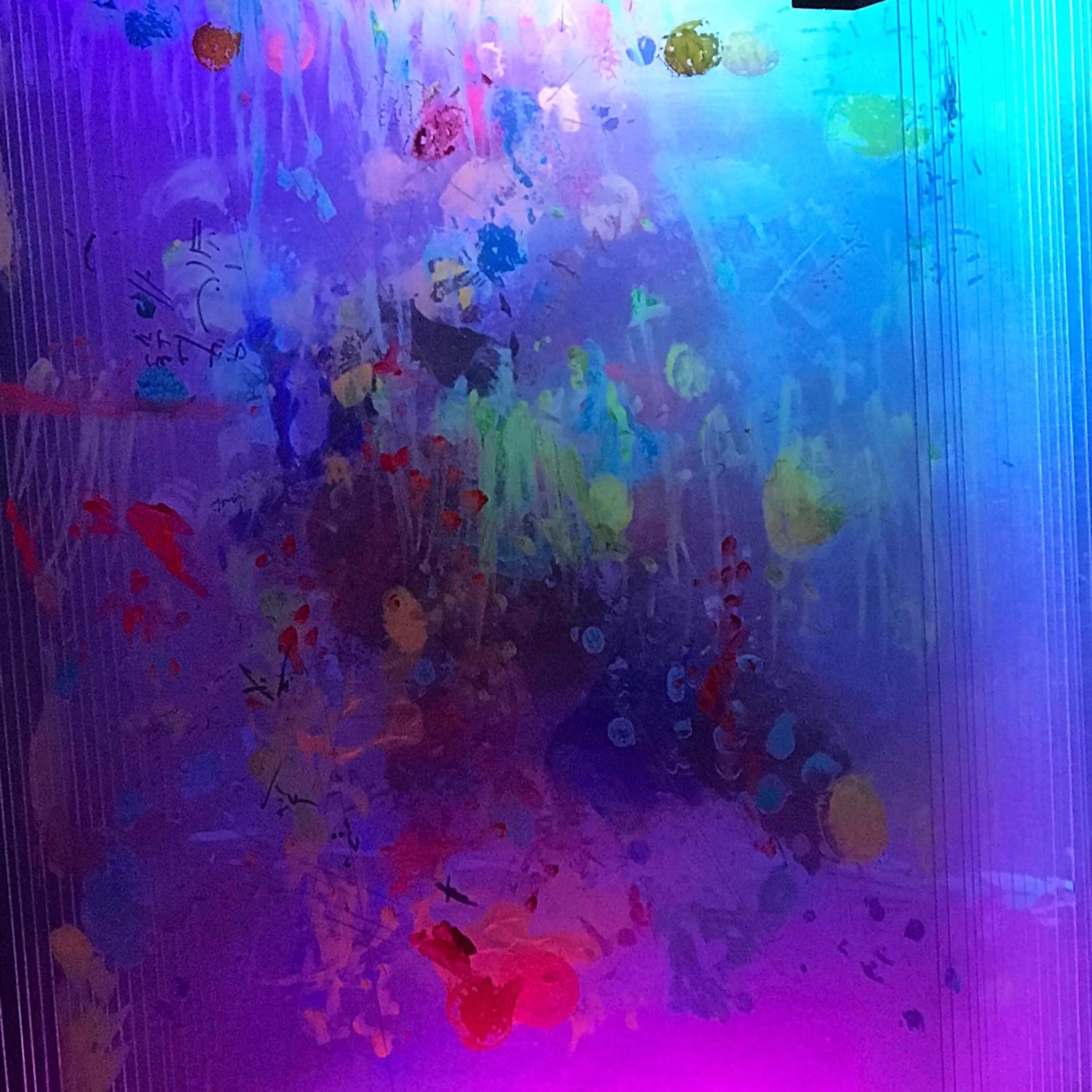
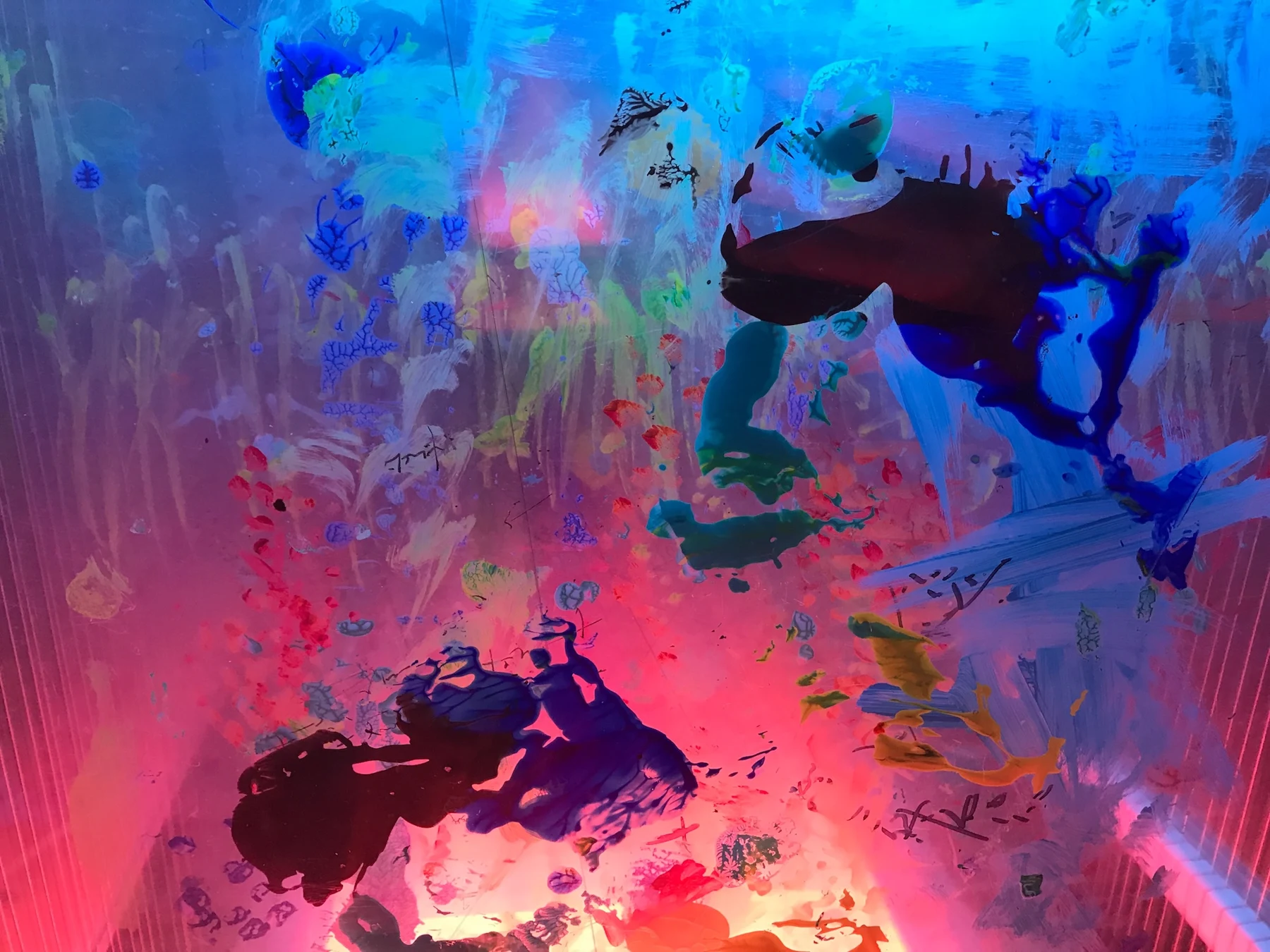
Colorium: blue, magenta and pink transparencies crossed by dark traces

What matter
makes us feel.

01 / COLORIUMPatrick Chartol · La Traverse, 2017
An artistic dialogue, since 2017With music by Bohdana Frolyak
A world to see differently

Earth becomes sound.
Light, a landscape.
A trace, a memory.

A weathered wall. A handful of earth. A panel crossed by light. Patrick Chartol and leif.e.boman start with tangible matter to open spaces of perception. Bohdana Frolyak’s music extends this dialogue in Amygdala. Images, objects, music: forms respond to one another, boundaries dissolve.

IMatter / The gazePatrick Chartol

The world already
makes paintings.

At La Traverse, a former railway station becomes a studio. Walls, rails and abandoned objects reveal their compositions. Sometimes all it takes is a shift in the way we look.

IILight / PerceptionChartol × Boman

The image
in its living state.

Transparencies. Layers. Vibrations.
From luminous object to film, colour becomes a space to inhabit with our gaze.

Colorium installation
LUMINOUS OBJECT

Colorium

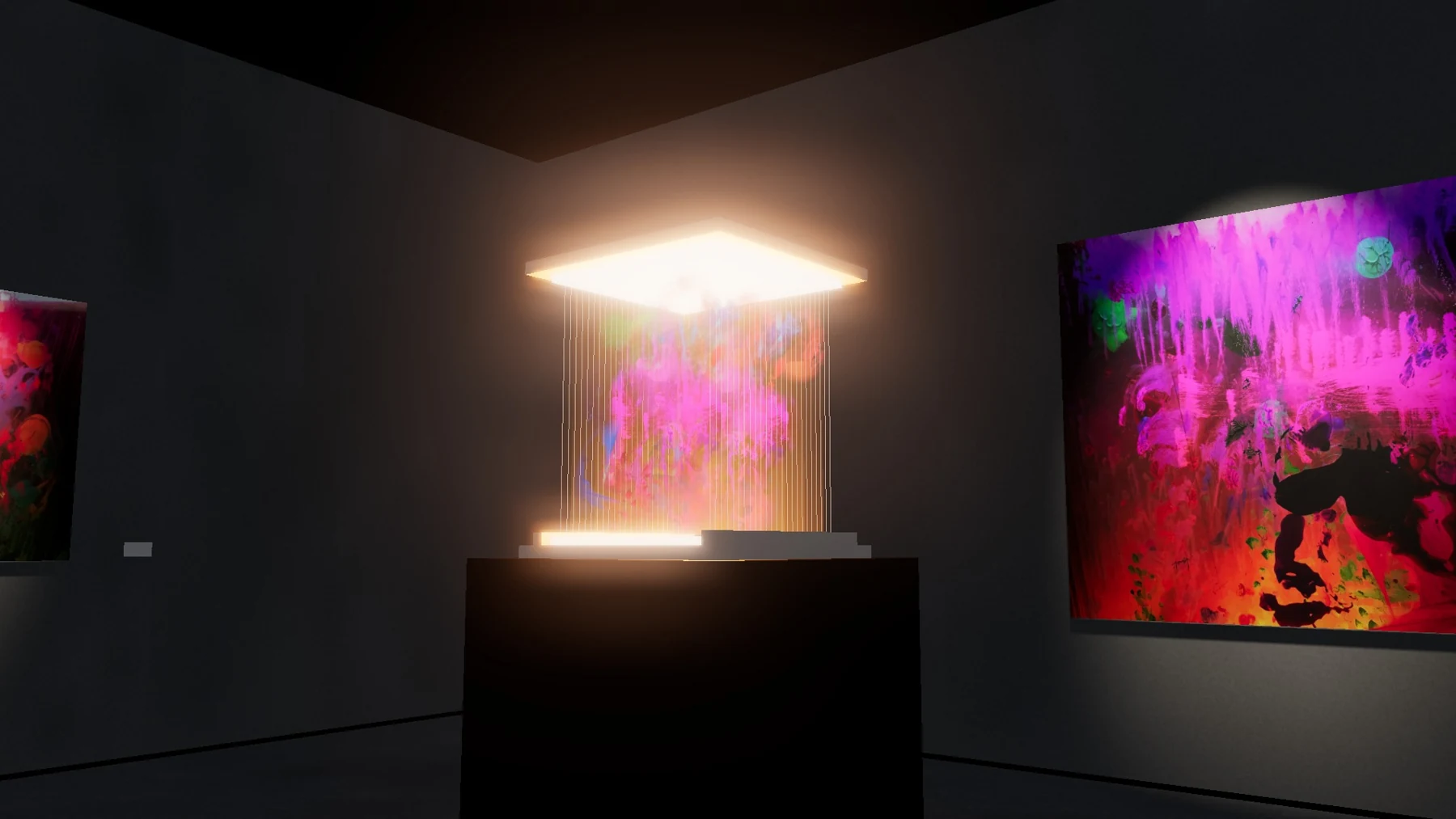
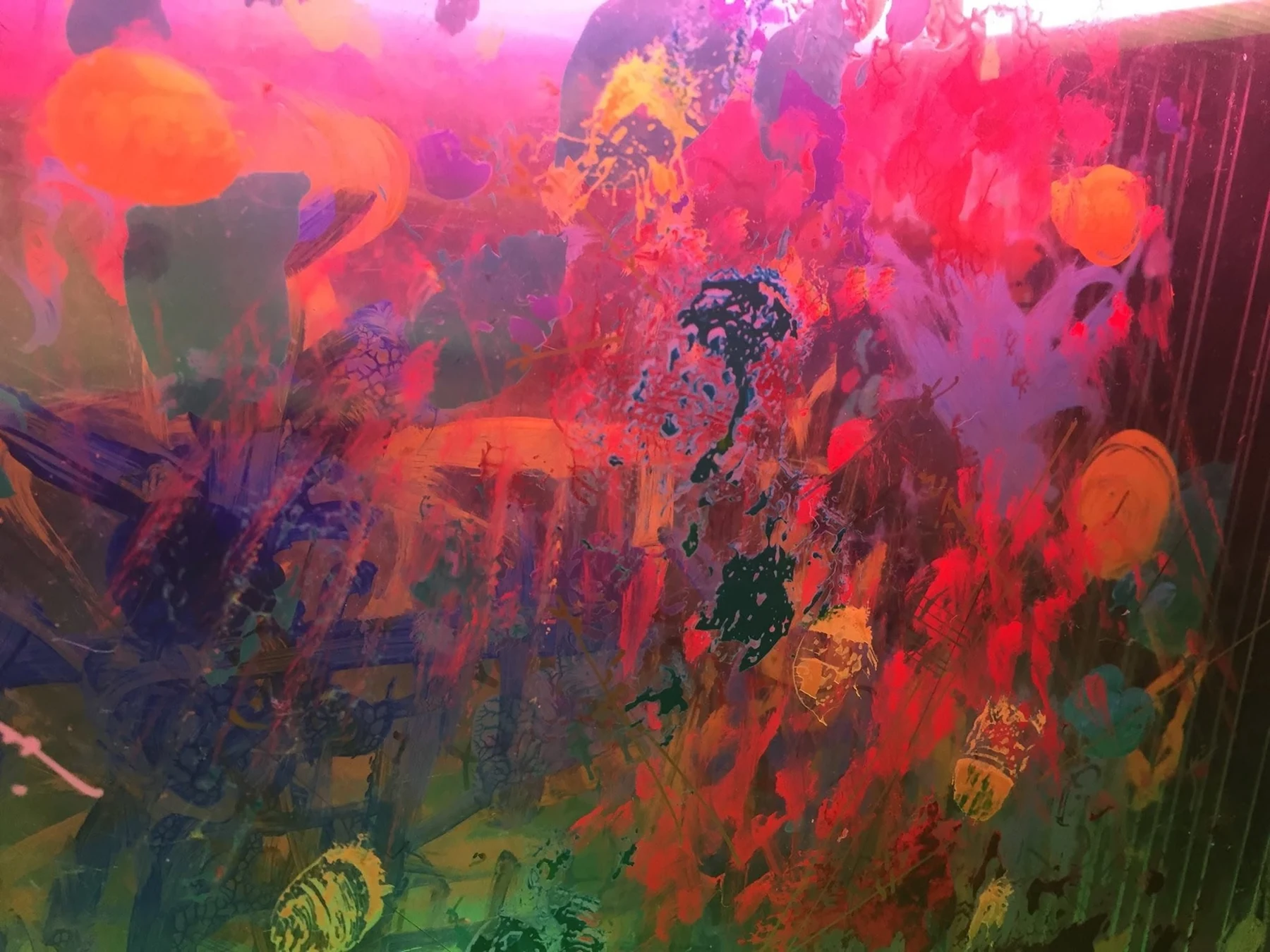
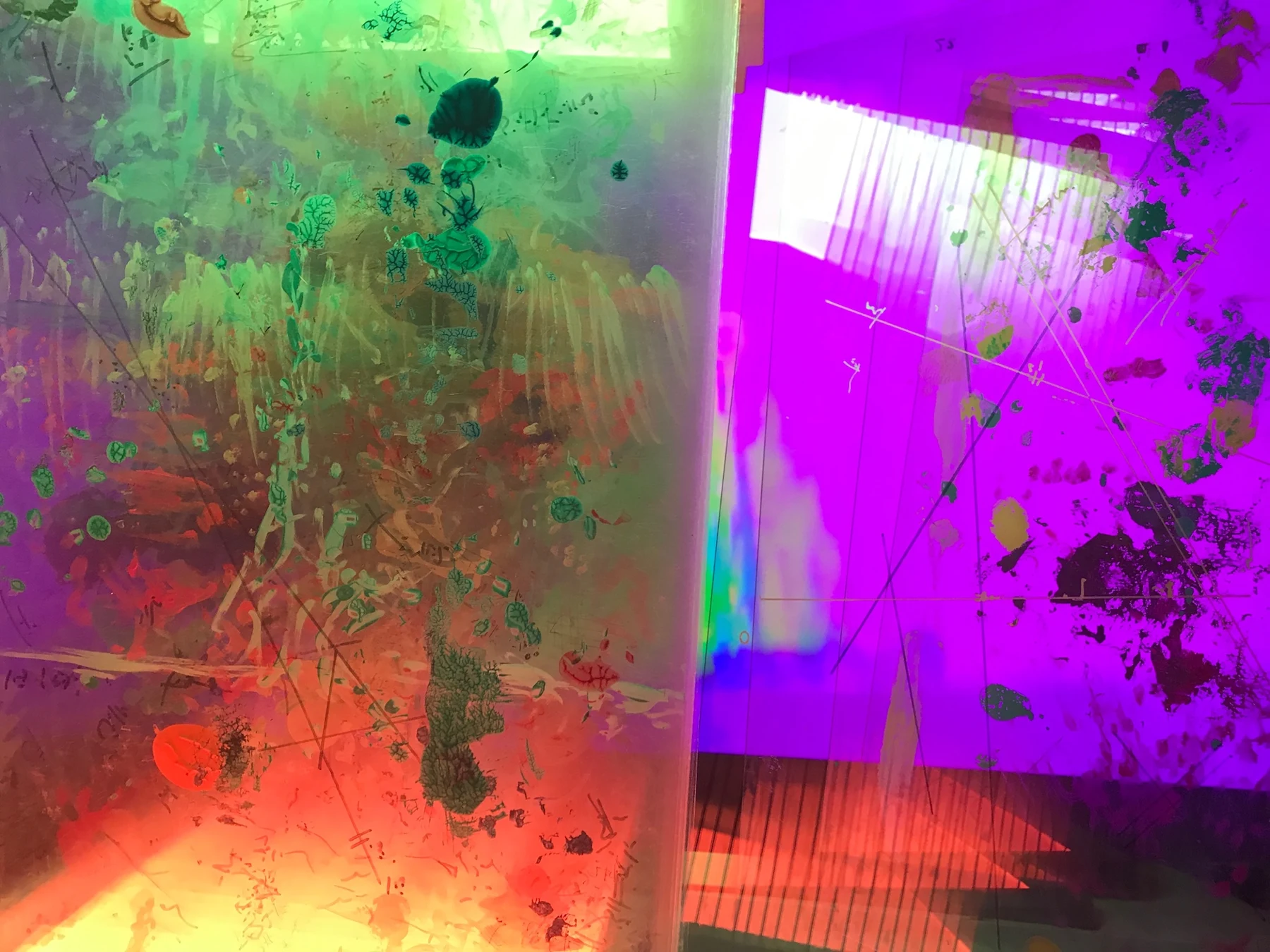
Light passes through transparent painted panels. Matter transforms with the viewpoint.

Objects, images and music in dialogue↔Take time to look.
IIIEarth / MemorySOIL

What
the earth
holds.

For leif.e.boman, earth is matter, a place, a memory. His samples become installations; their analytical data, material for sound creation.

An artistic interpretation of scientific data: a different way of listening, rather than recording the sound of soil.

leif.e.boman · Circular spectrum — animated detail
SOIL — Shared matterleif.e.boman · Archives
Still Remember

From Sarajevo to the landscapes of Amygdala, beauty also encounters absence, wounds and human memory. The works change register. The gaze remains attentive.

The living atlas

From one trace
to another.

Gather matter. Pass light through it. Translate it into sound. Carry its memory.

A proposed thread between the works: each encounter opens its reading, connections and questions.

Colorium

Painted transparent panels, crossed by light. As the viewpoint shifts, layers overlap, recede and reshape the space. Colorium invites us to move around colour rather than face it.

Explore this work

A possible reading · editorial interpretation

Passing through colour

Transparency changes the nature of a painting. An opaque surface stops the gaze; here it passes through one layer, meets another and returns to the first. Colorium can be read as painting unfolding in depth: colour belongs both to the painted material and to the light crossing it.

Movement becomes a way of looking. Two marks may meet from one viewpoint, then separate a few steps away. There is no need to seek a definitive image: attention rests on intermediate states, when the visible seems still to be forming. Visitors need not alter the object; their presence renews its reading.

Within TRACES, this work offers a passage between found matter and moving images. A mark is no longer only the memory of a gesture: it becomes a possibility for transformation. This reading connects Colorium with the films while keeping the light object distinct from its reinterpretation on screen.

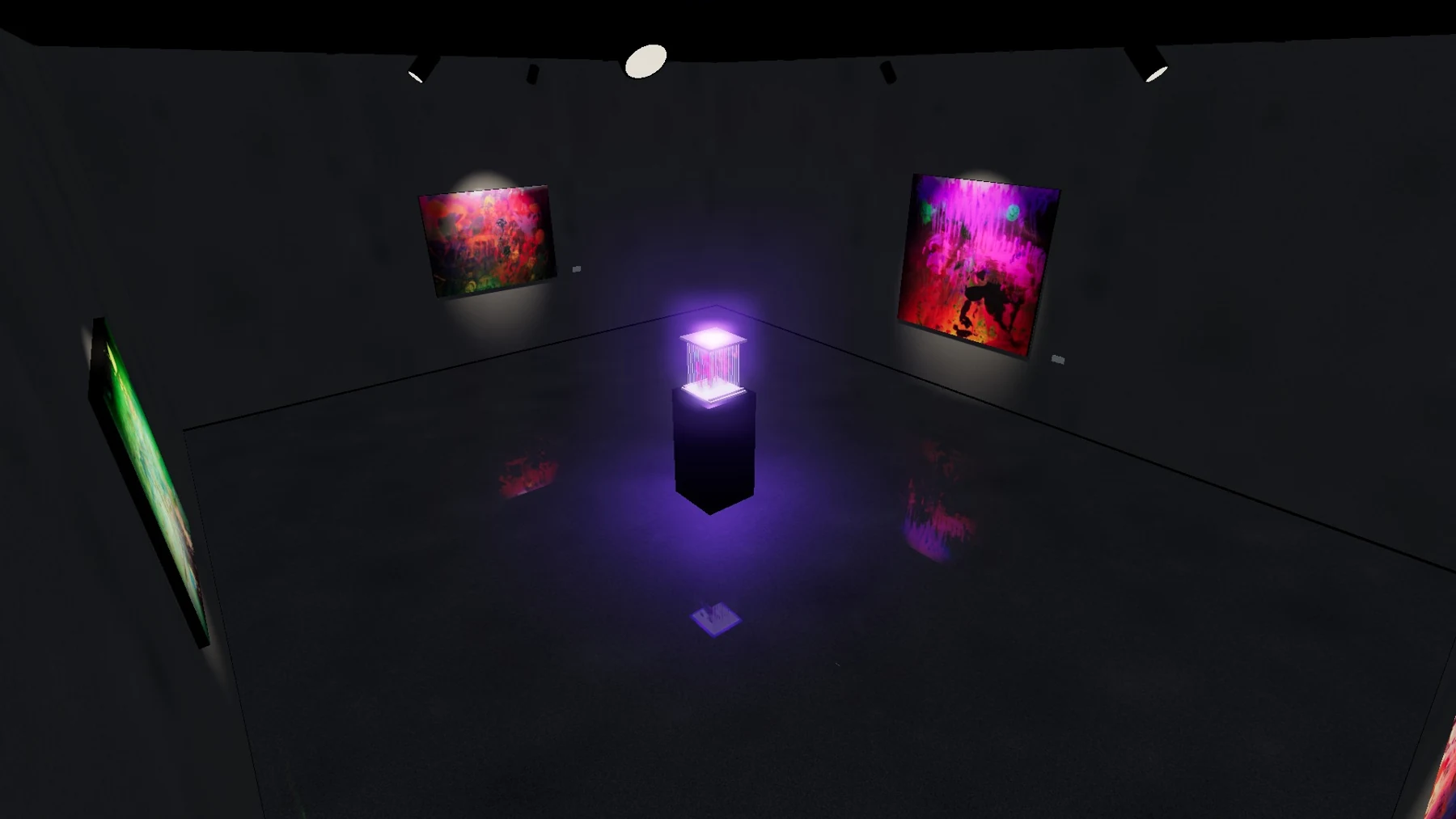
Exhibition simulations

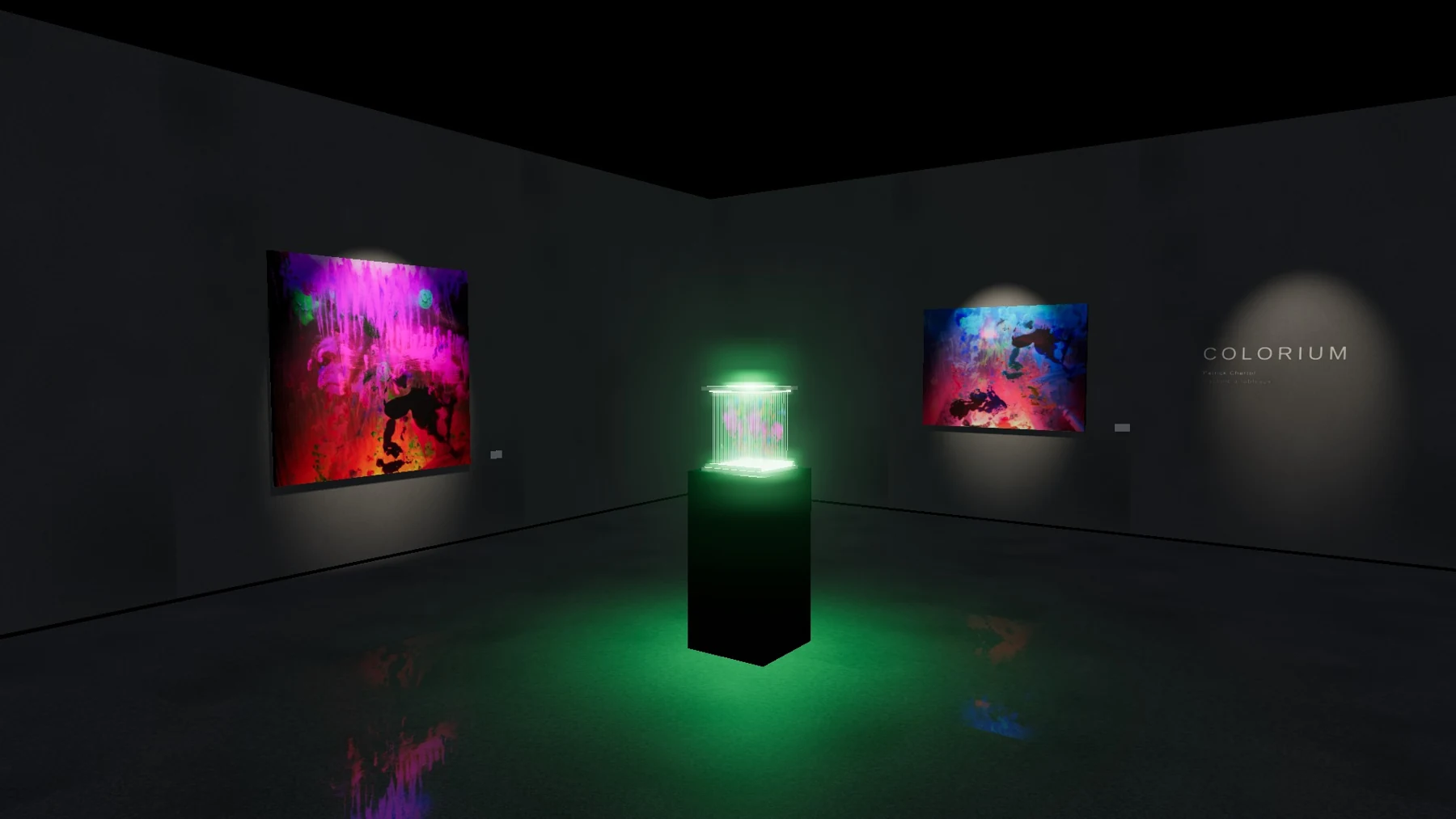
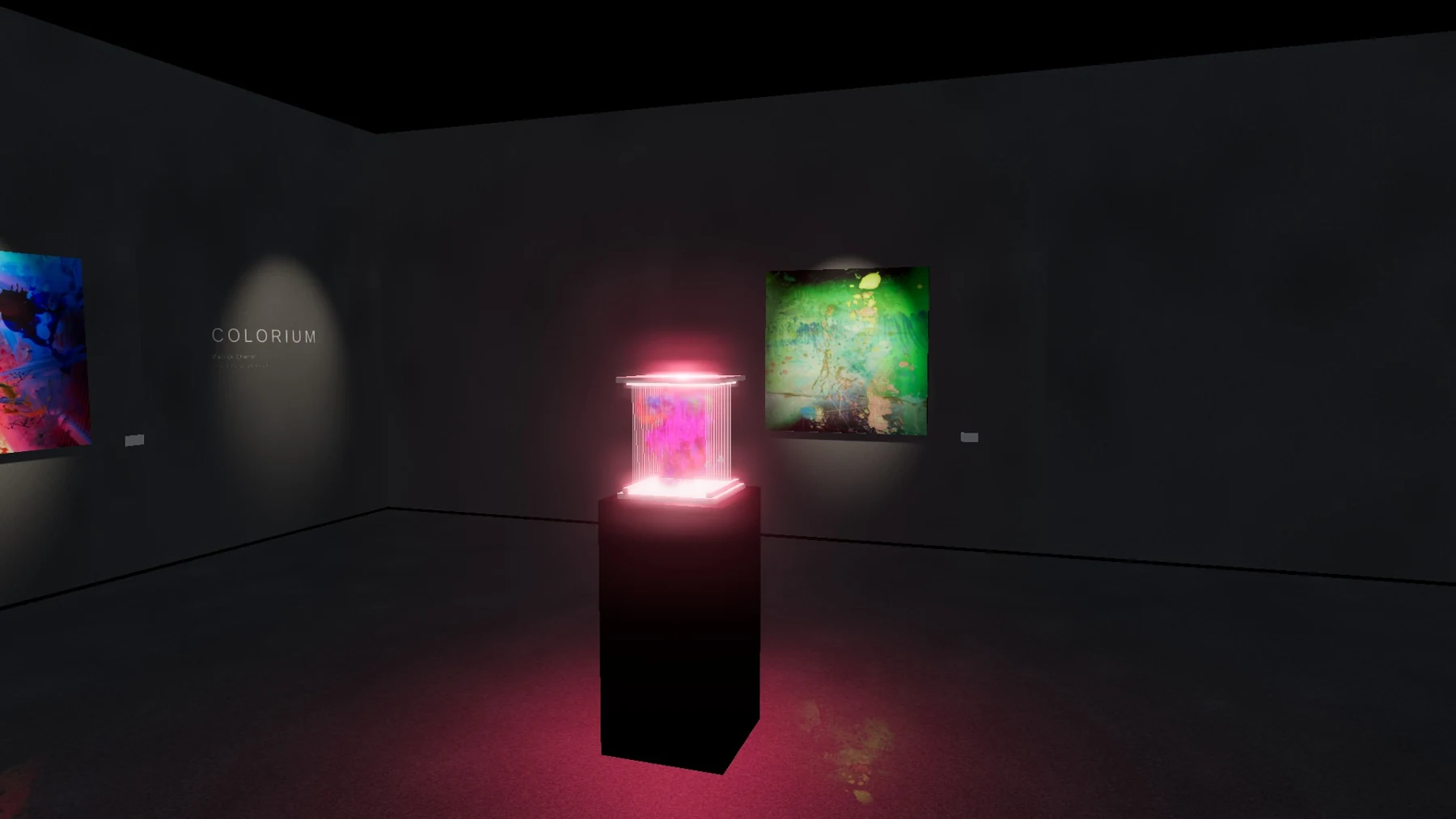
Colorium at the centre of a dimly lit room, surrounded by the canvas works it helped create.
Selected works — canvas prints
Found paintings

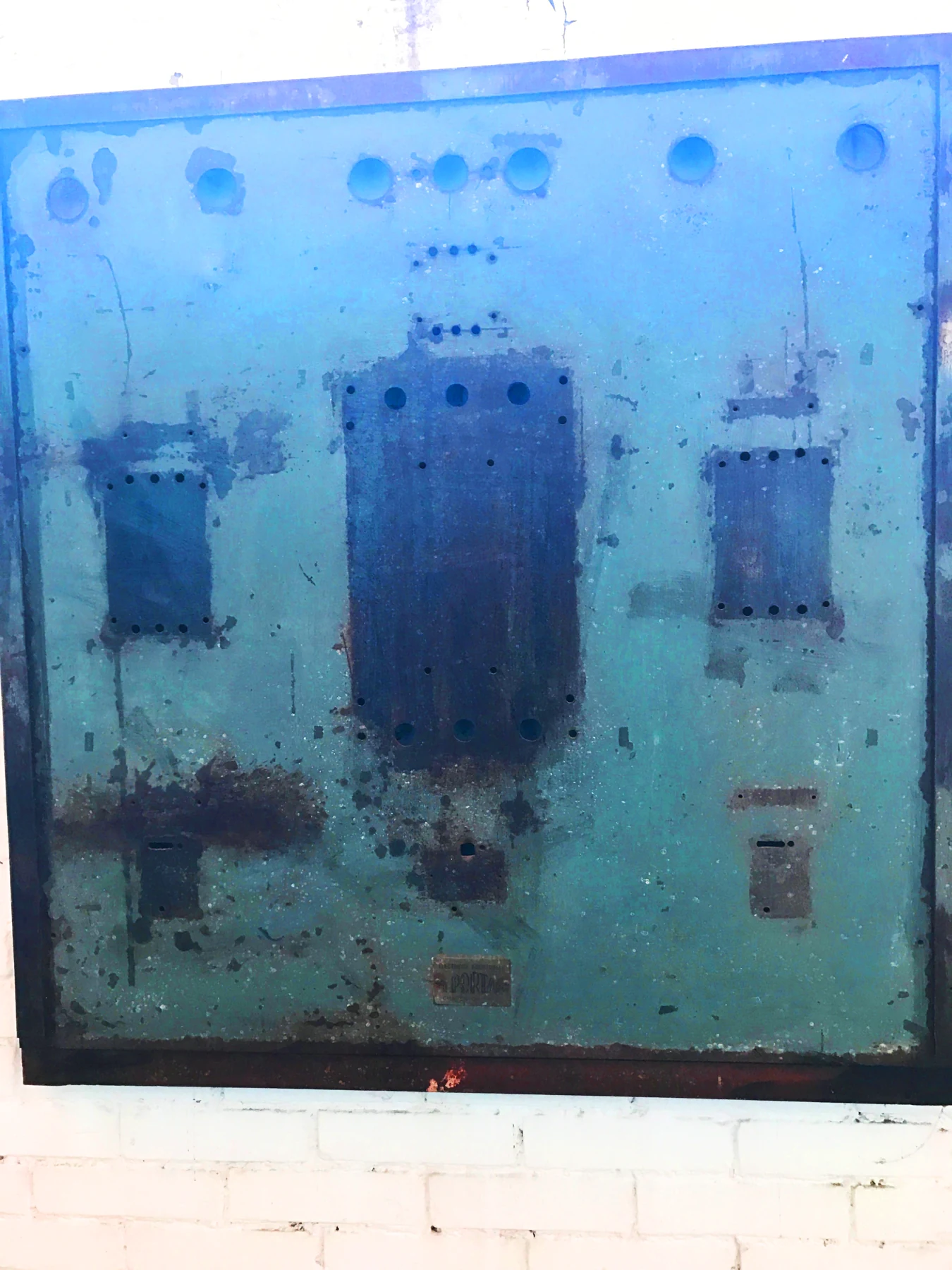
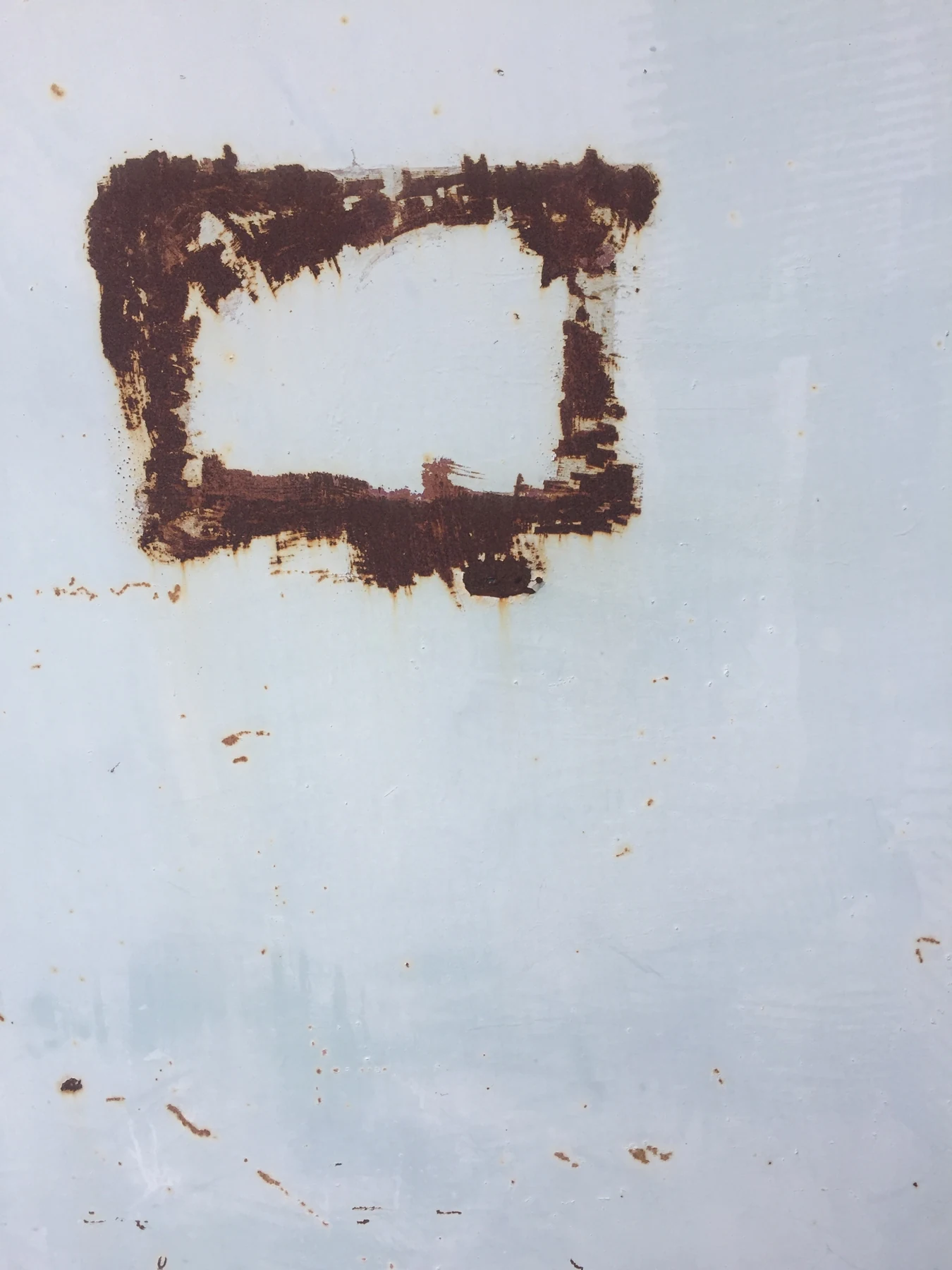
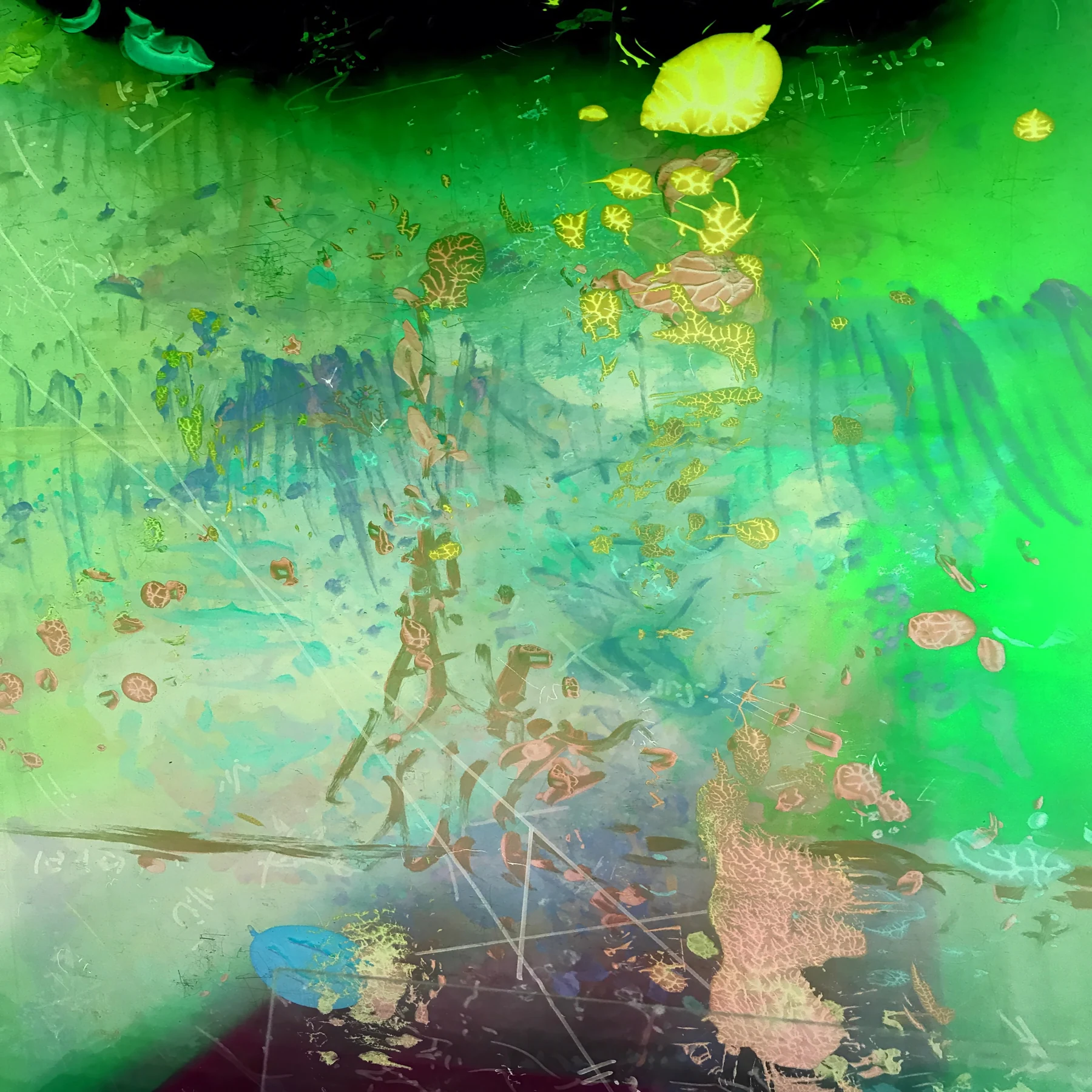
A wall, a drip, a worn surface: framing reveals a composition already there. Work developed at La Traverse brings these encounters into dialogue with painting and the materials of the place.

Explore this work

A possible reading · editorial interpretation

Choosing what was already there

A found painting begins with a decision about looking. An ordinary surface becomes a composition when its boundaries are chosen. Drips, stains and wear need not have been made as images. Framing places them in relation: a line gains weight, an empty area becomes a pause, one colour seems to answer another.

This can be seen as an unintended collaboration between time, materials and the viewer. Rust draws a flow; green or ochre surfaces suggest other rhythms. These differences invite the three images to be considered together, without inventing a history of manufacture or abandonment that photographs alone cannot establish.

Receiving a trace before transforming it gives the journey a starting point. Where Colorium passes light through matter, Found paintings pass attention through habit. What seemed insignificant becomes a presence.

Three more found paintings

Forgotten Memories

The archives show a field of earth arranged in a regular constellation. Soil and the memory of missing people meet in this work; the documents also describe a translation into sound. The photograph records a past installation, not the plan for a forthcoming exhibition.

Explore this work

A possible reading · editorial interpretation

A multitude of presences

The installation holds two scales together: the individual fragment of earth and the field formed by many fragments. At a distance, the eye meets an arrangement; closer attention can seek differences in texture and colour. This tension between collective form and singularity offers an approach to memory.

Earth can be read as what remains of a place when its inhabitants are absent. It replaces neither people nor their histories. Instead, it makes a distance tangible: something present before us refers to what we cannot see. The regular arrangement does not abolish that absence; it gives it space.

This reading connects with Found paintings through attention to matter, while shifting its emotional weight. Here, the trace opens onto human memory. An exhibition journey between them would call for a pause: viewers leave the play of surfaces to encounter a quieter presence. This is an editorial connection, not a decided exhibition design.

SOIL

SOIL explores the translation of material data into visual and sonic forms. This is sonification: an artistic construction from data, rather than sound naturally recorded in earth. The spectrum opens another way of perceiving soil.

Explore this work

A possible reading · editorial interpretation

From data to experience

Moving from earth to sound involves translation. Analysis produces data; choices about correspondence then make them perceptible. The result is not a hidden voice that has simply been captured. It emerges from an encounter between matter, measurement and artistic invention.

The spectrum offers an image of this passage: differences become relationships between colours, intervals and visual rhythms. It can be viewed as a possible score rather than an exhaustive illustration of soil. The rotation added on this site supports contemplation; it is neither a live scientific measurement nor an original animation attributed to the artist.

Within TRACES, SOIL asks what remains of matter when its language changes. Earth remains the starting point, but listening opens an experience different from looking. This passage connects with Colorium: in both, matter becomes the threshold of a new perception. Different historical versions and their collaborations are not interchangeable.

A musician’s perspective · excerpts

The Earth as a voice

Sir Niels Lan Doky offers a sensory and speculative reading of leif.e.boman’s work: an invitation to imagine our relationship with the Earth.

The result is a collection of unique and very fascinating sounds that each are categorically different from one another, depending upon the origin of the soil sample that the sound was extracted from.

One can take this concept further and consider the realistic possibility that our planet itself (not just its inhabitant organic lifeforms) not only is alive, but also is affected by our actions and reacting to them and providing comments in various forms of subtile and abstract forms of communication that we are only just beginning to learn to sense, let alone to understand.

— Sir Niels Lan Doky

Amygdala

The film brings together Patrick’s images, leif.e.boman’s research and Bohdana Frolyak’s music. Matter becomes movement; listening transforms the gaze. Another form of this encounter is emerging through Patrick’s exploration of a stereoscopic version.

Explore this work

A possible reading · editorial interpretation

Memory in motion

With film, the trace enters duration. Viewers no longer choose only where to look: they encounter appearances, transformations and disappearances. A form may persist in memory after leaving the screen. That persistence can be read as a connection between abstract imagery and the intimate experience of remembering.

Bohdana Frolyak’s music invites these images to be heard differently. The same form may feel suspended, tense or open depending on what accompanies it. Music need not be reduced to commentary, nor images to illustration: their encounter creates a third space, the viewer’s attention.

Amygdala extends the passage begun in Colorium and SOIL: matter, perception, translation, memory. Transparency can be approached as a way of layering sensations, and a trace as what survives their passage. This continuity offers a path for listening and looking, without reducing the film to one explanation.

Bosnia Symphony

A document entitled “NUMBER ONE” presents this audiovisual installation project as “Bosnia Symphony”. Its working view imagines a dark room with a luminous field on the floor. It opens a possible dialogue between image, space and sound.

Explore this work

A possible reading · editorial interpretation

Making room for listening

The working view shows a dark room organised around a field on the floor. This suggests an experience different from a painting on a wall: the body must find its position before an expanse, its distance and boundaries. The image opens a spatial question; it does not establish final dimensions or materials.

The title Bosnia Symphony brings a territory and a musical form together. It can suggest a desire to compose with several presences rather than impose one image of memory. The room’s visual quiet invites attention between what is seen and what might be heard, although the rendering alone does not reveal the sound content.

Within this journey, the study connects earth installations with Patrick and Leif’s audiovisual collaboration. It offers a possible space for their dialogue: the image leaves the screen to become a situation. This reading concerns the proposal’s potential, without presuming its production stage.

The next gestures

Hands and earth

Cast hands hold a sphere of earth. Performance archives and participatory projects extend this gesture: holding a common world in the palm. The documents credit Aicha in earlier performances and Jonna & leif.e.boman in another hands project.

Explore this work

A possible reading · editorial interpretation

The world at palm height

The hand changes the scale of territory: what seemed immense suddenly fits within a gesture. The sphere of earth may evoke a world entrusted, offered or protected. These readings remain open; they are not presented as an artist statement.

Casting preserves a bodily form while separating it from the body. It creates another kind of trace: a presence that can be passed on, gathered with others and exhibited. In a participatory project, each hand’s singularity could resist the uniformity of a series.

This direction moves from collected matter towards a shared gesture. Attention shifts from provenance to relationship: who receives, carries, passes on? The connection with Forgotten Memories can be read on this intimate scale. A new participatory process remains to be designed.

Ice / climate

Ice, earth, light and sound: the documents explore an installation in which changing matter makes climate tangible. Several versions exist, with different geographical references. They remain research directions here.

Explore this work

A possible reading · editorial interpretation

Watching duration

Ice introduces a material whose state can change before our eyes. Where an archive preserves a trace, melting makes disappearance perceptible. This contrast can be read as an approach to time: keeping, transforming, losing.

An installation of this kind could invite slow attention to modest variations rather than a spectacular event. Light and sound might then give change a sensory scale. This is a reading of the project’s potential, not a description of a completed design.

This theme extends the thread of TRACES by reversing it: the question is not only how to read what remains, but how to watch what ceases to remain. Fragility becomes a question of perception. The site’s abstract diagram accompanies this reading; it is not a photograph of a completed installation.

Inhabiting sound

In Patrick’s proposed “Sound Kaleidoscope”, independent sound sources create a listening space that changes with the visitor’s position. Another direction connects seas, oceans, images and music. Two ways of imagining immersion on the scale of the body.

Explore this work

A possible reading · editorial interpretation

Moving through the composition

Patrick’s proposed Sound Kaleidoscope moves composition into space. Independent sources need not produce the same listening experience at every position. Visitors’ paths can bring sounds closer, leave others at a distance and reveal new ones.

This idea connects with Colorium through the role of viewpoint, now a listening position. The work would no longer be reducible to a fixed sequence: it would be encountered in fragments, through a duration partly chosen by the body. This is a reading between two explorations, not an announcement of an established joint work.

The seas and oceans direction opens another relationship between images, data and music. The two ideas are brought together for their spatial and sensory potential, without presuming they will merge. Their connection to the wider journey is an invitation to enter perception rather than remain facing it.

The atlas as a page to share
IVScreening roomImage + sound

Take time
to step inside.

Four ways into a dialogue of images and music. Choose a film, put on headphones, make room.

Explore this work

A possible reading · editorial interpretation

The trace changes rhythm

SPÅR extends explorations of colour and transparency associated with La Traverse onto the screen. It can be approached less as a story than as a passage between visual states. Duration gives forms a breathing rhythm that a still image leaves to the gaze alone.

The film connects the light object with its audiovisual transformation. Looking also becomes waiting: recognising a form, losing it, finding an echo. What unites the works need not be an identical motif, but the ways a material can generate several experiences.

This reading assumes neither a hidden script nor an undocumented narrative intention. It invites attention to transitions, allowing music and image to build duration together, and then finding something of that mobility again in Colorium.

Explore this work

A possible reading · editorial interpretation

One form calls for another

Doubling and symmetry invite forms to be seen as presences answering each other. Resemblance is not identity: the eye searches for what returns and what changes. That instability can be read as a dialogue continuing without resolving into a single image.

The film echoes Colorium’s layers, replacing movement around an object with transformation over time. Relationships between elements matter as much as isolated forms: proximity can become tension, separation a pause.

Within TRACES, this reading gives dialogue a sensory dimension: it refers not only to collaboration between people, but to a way of allowing differences to coexist. It is a path offered to viewers, not a definitive account of the film’s creation.

Explore this work

Based on the text by Patrick Chartol and Leif Boman

The voice of the Earth — Sarajevo 1992–1996

Still Remember pays tribute to the victims of the siege of Sarajevo, from 5 April 1992 to 29 February 1996. The film revisits six installations created between 1996 and 1998 by Leif and Aicha Boman around a shared idea: giving the Earth a voice.

Working with the archives entrusted to him by Leif, Patrick Chartol animates and recomposes photographs taken by Leif and Aicha in wartime Sarajevo: ruined buildings, sniper positions and faces of young soldiers who lost their lives. Compositions drawn from the sounds of the Earth accompany these images, breathing life into memory.

In SOIL — Sound of Inner Life — data from the analysis of earth samples becomes sonic and visual material. This sonification connects art, science and memory. Beyond Sarajevo, Still Remember evokes the suffering caused by all wars, the fragility of peace and the need for empathy: we share one planet.

VAn encounter, resonancesArgenteuil · 2017

Two ways of seeing.
Common ground.

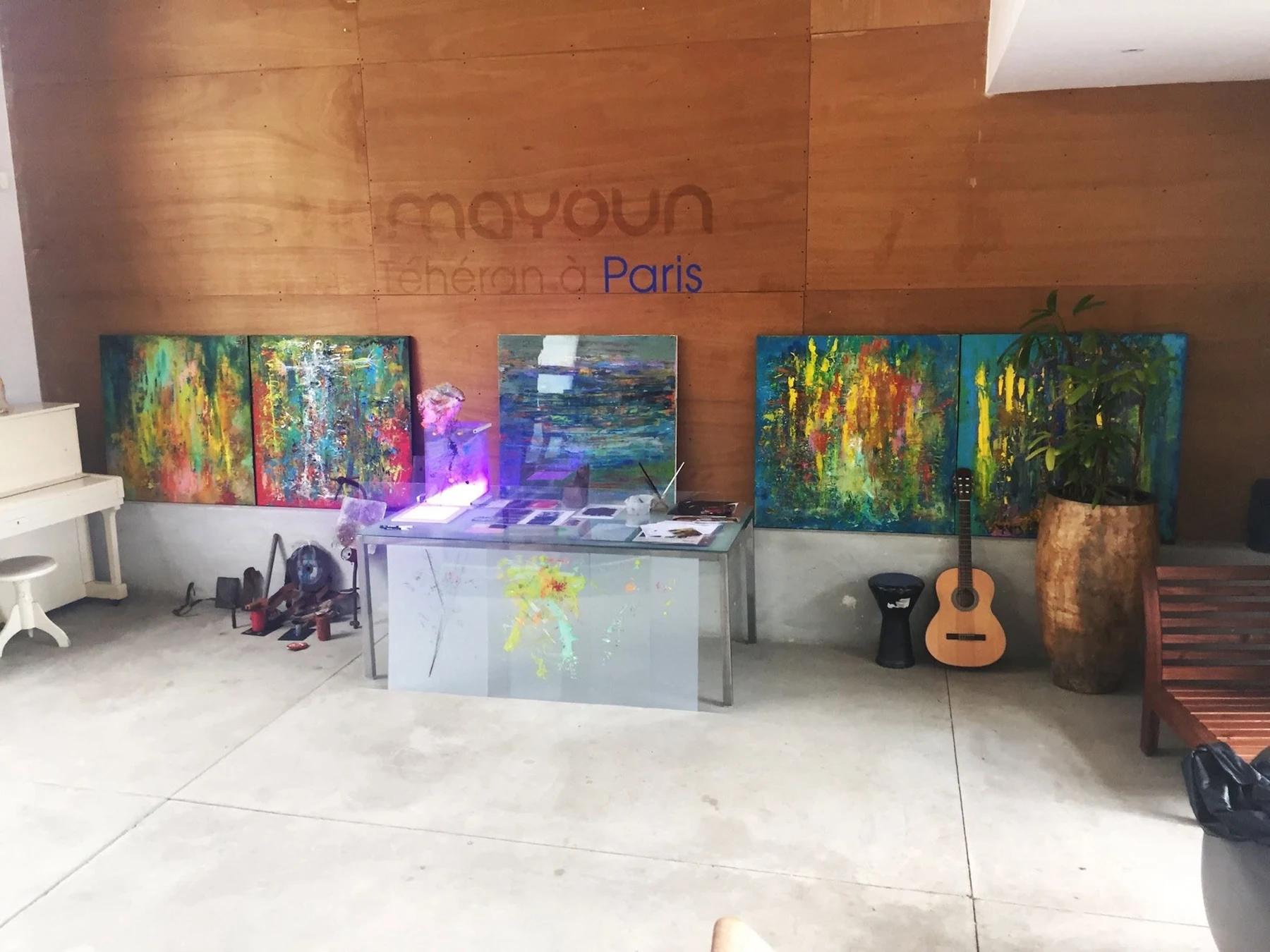
La Traverse studio in July 2017, paintings and instruments
La Traverse, July 2017 · Studio photograph

It begins with a place to experiment together.

In July 2017, Patrick invites leif.e.boman to join him for a residency at La Traverse, hosted at Diana Ruiz Pino’s invitation. The encounter opens a lasting dialogue between matter, image and music.

Explore this work

A possible reading · editorial interpretation

The studio as a place of passage

The making-of offers another relationship to the works: looking from the perspective of their making and the place where practices meet. A studio is more than a backdrop. Objects, tools and proximity make the passage from an idea to a form tangible.

Within TRACES, returning to La Traverse recalls that the dialogue between materials, images and sounds is rooted in an encounter. The site’s conceptual continuity does not erase concrete work: trying, bringing things together, looking again. The film can be approached as an entry into this time of exploration.

This reading does not turn every filmed moment into an explanation of the whole project. It makes room for experiments and what precedes a work. After the films and installations, returning to the studio restores their human, open and collective dimension.

Images · Music · Experiments

Patrick
Chartol

Finding a painting in reality, building an object of light, extending an image through sound. A practice that moves freely between forms.

Earth · Installations · Sound creation

leif.e.
boman

Connecting places through their matter. Through SOIL, collected earth, its analysis and its spatial arrangements open an artistic exploration of the world and its memory.

Composition · Orchestral music

Bohdana
Frolyak

The Ukrainian composer’s music is central to Amygdala. Her orchestral works meet Patrick’s images and leif.e.boman’s sound explorations, opening another dimension of their dialogue.

The dialogue continues

What if we stepped
inside the work?

Objects, lights, films, sound spaces: an exhibition journey to imagine together. An invitation to look, listen and feel.

Return to the journey